HSBC, Mirae Asset, Securitize executives stress broader distribution, efficient settlement and global connectivity
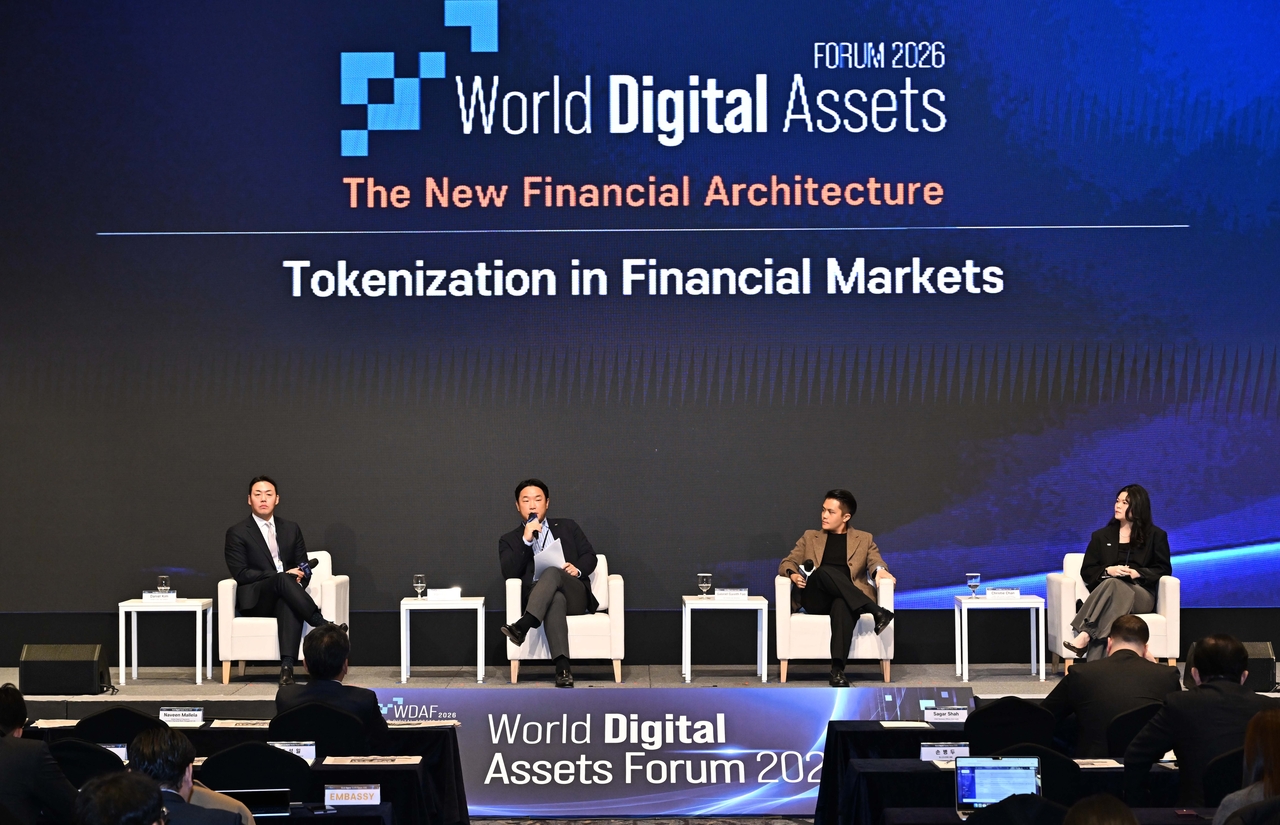
Putting traditional financial assets on a blockchain is no longer the main challenge for tokenization. The next test is how to distribute those assets to investors and make them useful in financial transactions, executives said at a forum in Seoul on Monday.
Speaking at the World Digital Assets Forum, representatives of Securitize, HSBC and Mirae Asset Securities discussed how tokenizing real-world assets could reshape financial markets through broader distribution and more efficient settlement. The session was moderated by Daniel Kim, founder and CEO of Tiger Research.
Gabriel Gareth Foo, DeFi growth lead at tokenization platform Securitize, pointed to the rapid expansion of tokenized US Treasuries and growing interest from asset issuers.
"Once we put these assets on the chain, what's the use case? What are we going to do with these assets?" Foo said.
Distribution is one answer, he said. Korean financial institutions could use tokenization to offer domestic products to overseas investors or bring US-based products to Korean customers. Investors should be able to benefit from tokenization without necessarily being aware of the underlying technology, Foo added.
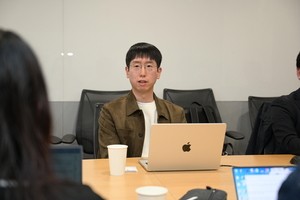
Mirae Asset Securities is preparing for that market in three areas: products, technology and distribution, said Lee Yong-jae, head of its digital asset business department. The firm is developing its own platform and plans to support public blockchains as regulations evolve, while leveraging its existing retail investor base.
"We need to connect our blockchain to global blockchain networks," Lee said, emphasizing the importance of developing practical use cases and giving Korean investors access to emerging tokenized markets.
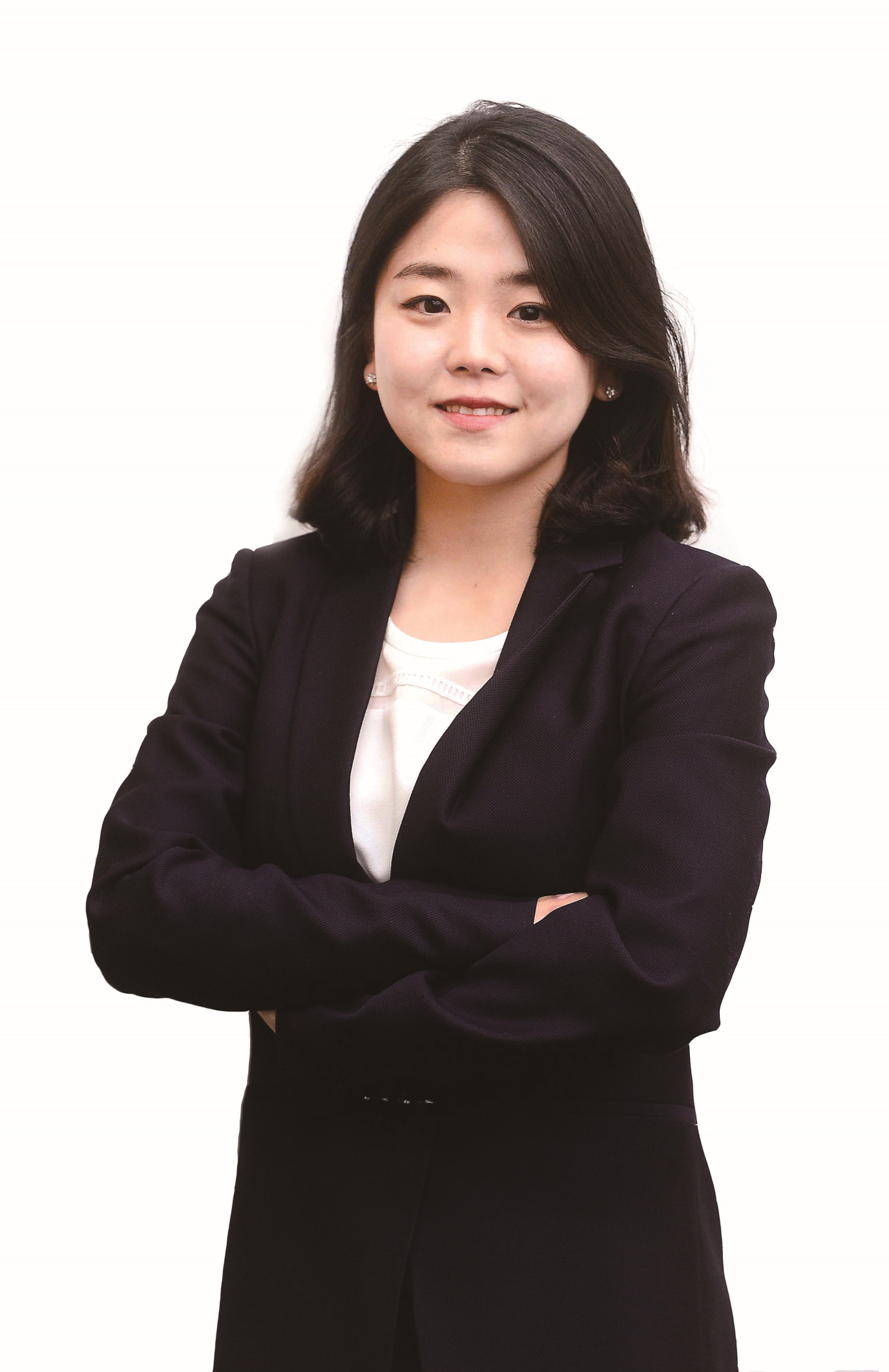
At HSBC, tokenization is already supporting commercial bond issuance. Its Orion platform has supported more than $8.3 billion in digital asset issuances. Christie Chan, director for digital assets, corporate and institutional banking at HSBC, said investor reach and connections to existing market infrastructure matter as much as technology.
Another priority is settlement. Chan argued that tokenized deposits, stablecoins and central bank digital money would serve different purposes rather than compete for one dominant role. The key is allowing investors to choose the most suitable payment method for each transaction, she said.
Lee said combining tokenized securities with digital payment instruments could allow securities and money to change hands simultaneously, speeding up settlement.
Chan also emphasized the need for interoperability between financial networks and common standards, particularly as Asian markets seek to expand institutional adoption.
"You're either the standard setter or the standard taker," Chan said.
jwc@heraldcorp.com